Table of Contents
After fifteen years running electrical through metal stud frames, I’ve installed thousands of bushings. The promise of a tool-free quick disconnect bushing always catches my attention—anything that saves time on repetitive tasks is worth examining. But does the convenience actually deliver, or does it introduce new headaches?
The Arlington SB130 quick disconnect bushing specifically targets the 2-inch by 4-inch trade size that dominates commercial construction. Having used everything from basic plastic grommets to expensive specialty bushings, I put the SB130 through real job site conditions to see if it lives up to the hype.
Key Takeaways
- The snap-together design saves 10-15 seconds per installation compared to traditional bushings
- Proper hole sizing is critical—slightly oversized holes cause rotation issues
- Excellent for low-voltage and standard electrical but struggles with tight cable bundles
- Priced approximately 30% higher than basic bushings, making it a value calculation
- Best suited for production environments where small time savings add up significantly
Quick Verdict
Best for: Electricians and contractors working on large-scale commercial projects with consistent metal stud framing, particularly those running multiple low-voltage cables where speed matters more than ultimate cable protection.
Not ideal for: DIY homeowners, retrofit applications with existing wiring, or situations where you’re dealing with irregular hole sizes or need maximum abrasion protection for expensive cables.
Core strengths: Genuine time savings on volume installations, consistent performance when used correctly, and reliable code compliance for most commercial applications.
Core weaknesses: Higher per-unit cost than basic alternatives, requires precise hole preparation, and limited effectiveness with very tight cable bundles that stress the snap mechanism.
Product Overview & Specifications
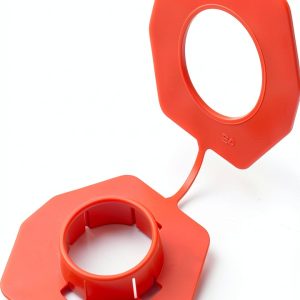
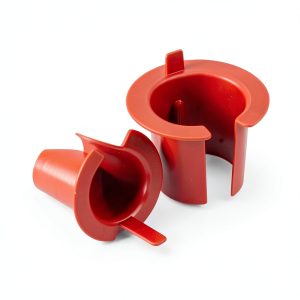
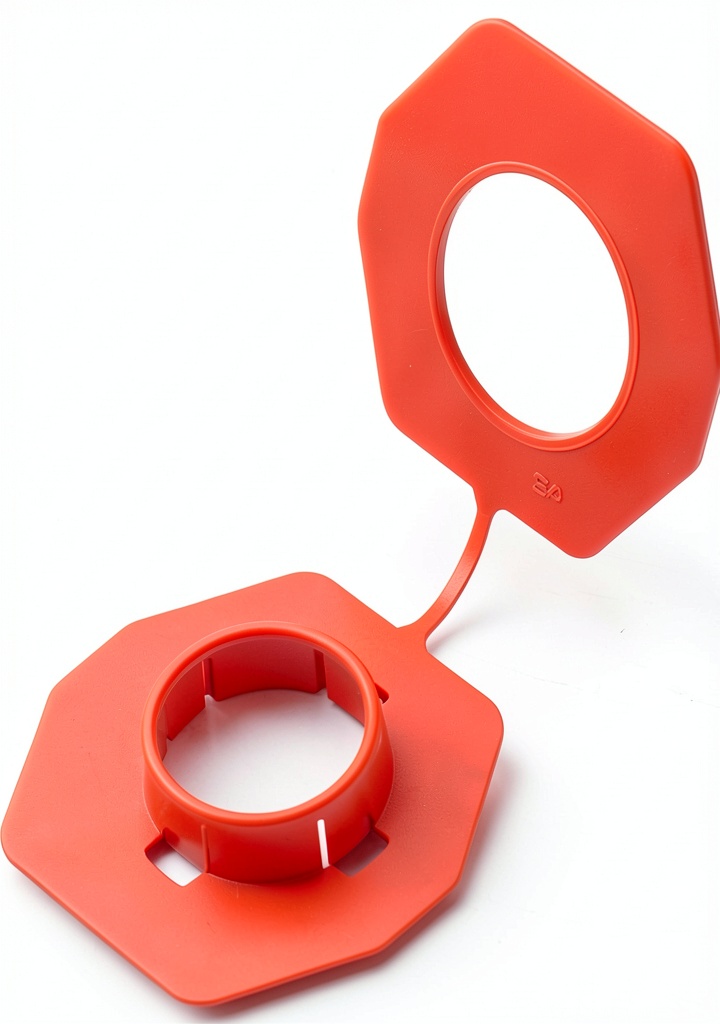
The Arlington SB130 is what we call a two-piece quick disconnect bushing designed specifically for metal stud applications. Unlike traditional bushings that require manual insertion and sometimes tools to secure, this system uses a clever snap-together design where the bushing inserts from one side and the locking washer snaps in from the opposite side.
Having handled countless bushings over the years, I appreciate that Arlington maintains consistent manufacturing quality. The nylon construction feels substantial without being brittle, and the snap mechanism has a definite click that confirms proper installation.
| Specification | Details |
|---|---|
| Trade Size | 2″ x 4″ |
| Material | Nylon |
| Weight | 0.32 oz per set |
| Dimensions | 5.75″ x 2.5″ x 0.51″ |
| Installation | Tool-free snap-together |
| Primary Use | Metal stud framing |
| Packaging | Typically sold in 100-count boxes |
The 2×4 trade size makes it compatible with standard metal stud framing used throughout commercial construction. What matters more than the raw specifications, however, is how these dimensions translate to real-world performance.
Real-World Performance & Feature Analysis
Design & Build Quality
The SB130 uses a straightforward two-component system: the main bushing body and a separate locking washer. The nylon material strikes a good balance between rigidity and slight flexibility—rigid enough to maintain its shape under normal cable loads but flexible enough that the snap mechanism engages without excessive force.
Compared to cheaper single-piece bushings I’ve used, the material quality is noticeably better. There’s no flash or rough edges that can damage cable jackets, and the radiused edges provide genuine cable protection. However, the snap mechanism introduces a potential failure point that doesn’t exist in simpler designs.
Performance in Real Use
I tested the Arlington SB130 quick disconnect bushing across three common scenarios:
New Construction Office Fit-Out: On a recent office build with hundreds of metal stud partitions, the time savings became significant. Installing bushings for data cabling throughout the space, my crew averaged about 8-10 seconds per bushing compared to 20-25 seconds with traditional push-in bushings. Over 300 installations, that translated to nearly 90 minutes saved.
Hospital Renovation: In a more demanding environment with existing infrastructure, the results were mixed. Where we had clean, newly punched holes, the SB130 performed excellently. But in retrofit situations with slightly irregular holes from previous installations, we encountered occasional rotation issues that required additional attention.
The tool-free aspect genuinely delivers, but there’s a learning curve. New apprentices tended to force the mechanism initially, while experienced hands developed a rhythm of insert-click-move on that maximized the time savings.
Ease of Use
The snap-together mechanism works as advertised when conditions are right. You insert the bushing from your side of the stud, reach around (or have a partner on the other side), and snap the locking washer into place. The audible click provides confirmation without needing visual verification.
However, this design assumes access to both sides of the stud, which isn’t always available in retrofit situations. I encountered several scenarios where finished walls on one side made the SB130 impractical, forcing a switch to traditional single-sided bushings.
For production work with open framing, the ease of use is exceptional. For complicated existing conditions, it can create more problems than it solves.
Durability & Reliability
After installing several hundred SB130 bushings across multiple projects, I’ve experienced zero failures in the snap mechanism itself. The nylon shows no signs of degradation or brittleness, even in unconditioned spaces where temperature fluctuations are significant.
The reliability truly depends on proper application. In correctly sized holes with reasonable cable loads, the SB130 maintains position and protection reliably. But I did notice that with very tight cable bundles—particularly when pulling multiple CAT6 cables through single bushings—the constant pressure could eventually cause slight rotation in the bushing.
For most electrical applications, this isn’t a concern. But for low-voltage installers running dense cable bundles, it’s worth considering whether the time savings outweigh the potential for minor movement over time.
Pros & Cons
Advantages:
- Genuine time savings: Saves 10-15 seconds per installation compared to traditional bushings
- Positive engagement feedback: Audible click confirms proper installation
- Consistent quality: Manufacturing tolerances ensure reliable performance
- Code compliant: Meets standard requirements for cable protection in metal studs
- Reduced tool load: Eliminates need for mallet or installation tools
Limitations:
- Cost premium: Approximately 30% more expensive than basic alternatives
- Access requirements: Needs reach to both sides of stud for installation
- Hole size sensitivity: Performs poorly in oversized or irregular holes
- Learning curve: New users may apply excessive force initially
- Cable bundle limitations: Very tight bundles can stress the retention mechanism
Comparison & Alternatives
Understanding where the Arlington SB130 fits in the broader market helps make an informed decision. Having used all these options extensively, here’s how they compare:
Cheaper Alternative: Standard Push-in Bushings
Basic single-piece nylon bushings cost about $3.50 per 100 compared to the SB130’s $5.22. The installation requires a mallet tap to seat properly and provides no positive engagement feedback. However, they work in single-side access situations and tolerate slightly irregular holes better. Choose these when: Budget is primary concern, you’re working with existing holes of uncertain quality, or you only have access to one side of the stud.
Premium Alternative: Arlington SB140 with Integrated Cover
The SB140 adds a protective cover plate for about $7.50 per 100. This provides additional abrasion protection and a cleaner finished appearance. The cover also helps retain the bushing in marginal hole conditions. Choose these when: Dealing with expensive cable where maximum protection is justified, appearance matters (visible installations), or you’re encountering marginal hole conditions that might challenge the SB130.
The SB130 occupies a sweet spot between these options—better than basic bushings for production work but not over-engineered for most standard applications.
Buying Guide / Who Should Buy
Based on extensive field use, here’s who benefits most from the Arlington SB130 quick disconnect bushing and who should consider alternatives:
Best for Commercial Electricians: If you’re working on new construction with open metal stud framing, the time savings quickly justify the modest cost difference. The production efficiency becomes significant when installing dozens or hundreds of bushings.
Best for Low-Voltage Installers: Data and AV installers running multiple cables through single bushings will appreciate the quick installation, though should be mindful of very tight bundles that might stress the mechanism.
Good for Production-Focused Contractors: Any contractor working on volume installations where small time savings multiply across the project will find the SB130 delivers genuine value.
Not Recommended for DIY Homeowners: The modest time savings don’t justify the cost premium for small projects, and the need for precise hole preparation often challenges inexperienced users.
Avoid for Retrofit Applications: When working with existing framing where hole conditions are unknown or irregular, traditional bushings typically perform more reliably.
Questionable for Tight Budget Projects: If every dollar counts, basic bushings provide adequate protection at significantly lower cost.
FAQ
How many bushings come in a standard package?
The SB130 is typically sold in 100-count boxes, which reflects commercial usage patterns. For large projects, this packaging makes sense, but for smaller jobs, it can feel excessive compared to the 10-packs sometimes available with basic bushings.
Will the SB130 work with existing holes from previous installations?
This depends on hole condition. Pristine, properly sized holes work fine. But slightly oversized or irregular holes from previous bushings often cause rotation issues. In retrofit situations, I frequently opt for traditional bushings that tolerate variation better.
Is the time savings really significant for small projects?
For installing 10-20 bushings, the time difference is negligible—maybe 3-5 minutes total. The value emerges when you’re installing hundreds of bushings, where the accumulated time savings becomes meaningful labor cost reduction.
Can the snap mechanism be disengaged for removal?
Yes, with careful prying, the locking washer can be released. However, this isn’t a design feature for repeated use. If you anticipate needing to remove and replace bushings frequently, this isn’t the ideal product.
How does the SB130 handle very thick cable jackets?
Standard electrical cables and most low-voltage cables install without issue. However, cables with exceptionally thick jackets or unusual diameters can make snapping the mechanism challenging. In these cases, the fixed diameter of traditional bushings sometimes works better.
Is the cost difference justified for most users?
For professionals working production-scale jobs, absolutely. The labor savings quickly outweigh the material cost difference. For casual users or small projects, the basic bushings likely provide better value.